We all want to save money, and I get that. When I first noticed I needed help with small print, I wondered, "Is it really okay to buy cheap reading glasses?" I went searching for a quick, inexpensive solution. I told myself, "They're just reading glasses—how different can they be?" That was a huge mistake. I made these errors so you can avoid the blurry vision, flimsy frames, and wasted cash I experienced.
I ended up with glasses that didn't improve my vision, broke almost immediately, and were just plain uncomfortable. Don't make the same error I did. Learn from my experience. Here’s what I did wrong and what you should do instead.
My first instinct was to find the absolute lowest price. I spotted a pair online for under $10 and thought, "What a deal! Why pay more?" I clicked 'buy' without a second thought. I just wanted something to help me read.
That was exactly my experience. The super-cheap glasses felt flimsy the moment I touched them. The plastic was thin, the hinges were loose, and they never sat right on my face. They were so fragile they barely lasted a week. It turns out you often get what you pay for. When you buy something extremely cheap, especially for your health like reading glasses, corners are cut. They use weak materials that break quickly.
Verdict: Don't just pick the lowest price. Cheap reading glasses often mean poor quality that won't last.
I focused solely on the price tag and completely ignored what makes a pair of glasses good. Things like the frame material or lens clarity didn't even cross my mind. I just looked at the strength number (+1.0, +2.0, etc.) and called it a day.
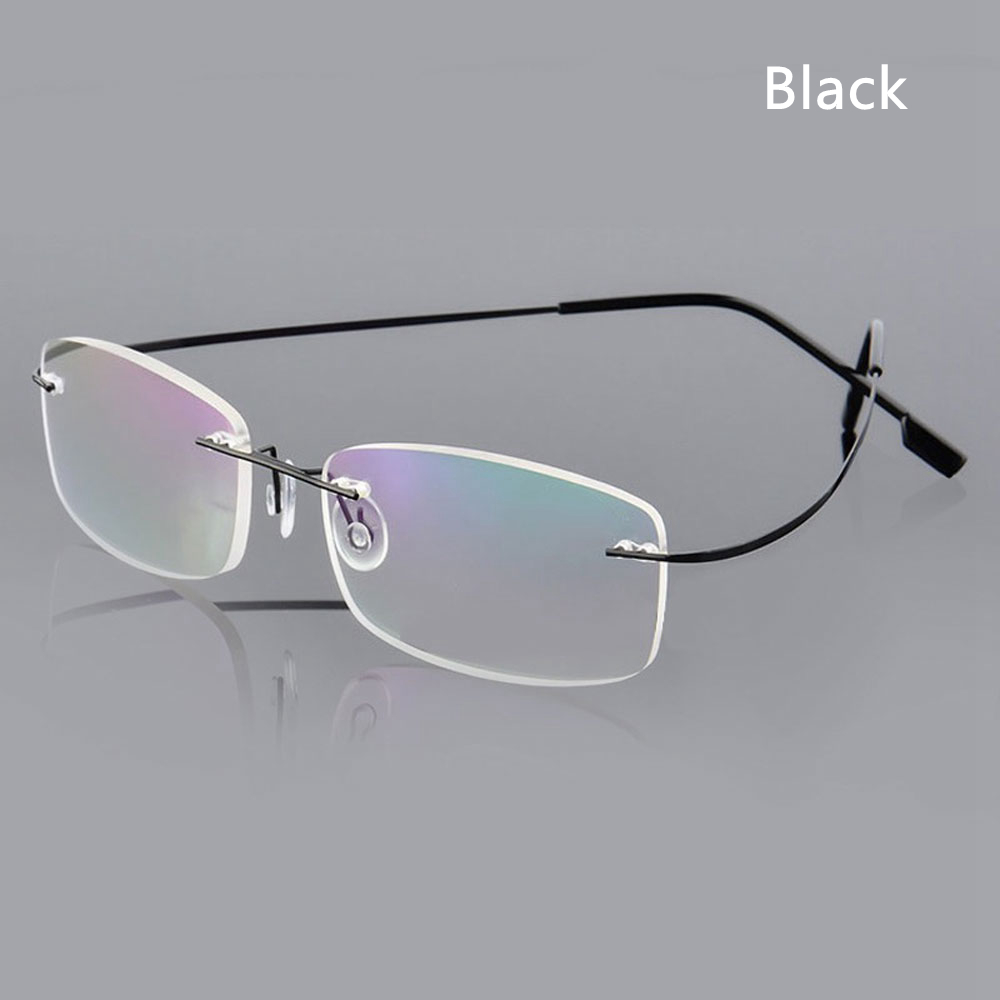
My cheap glasses gave me eye strain. The lenses weren't clear from edge to edge, making reading uncomfortable and tiring. I learned that better quality glasses use superior lens materials that provide clear vision across the entire lens. Good frames, like those made from memory titanium, are flexible and durable—they don't just snap. Ignoring these details was a major oversight.
Verdict: Always check for quality materials like clear lenses and strong, flexible frames. Good reading glasses should not give you headaches.
I was in a hurry and just wanted to check out. I saw a nice picture and a low price, and that was enough for me. I didn't bother to scroll down and read what other people were saying. I assumed the product would be just as good as the photo.
This is a big mistake. Product photos can be very misleading, showing the item in the best possible light. What you receive can be completely different. Had I read the reviews, I would have seen warnings about poor fit, weak hinges, or cloudy lenses. Real user reviews, especially those with actual customer photos, tell the true story. They show the product's real quality and whether it lives up to its promises.
Verdict: Always read customer reviews and look for buyer photos. They give you an honest look at the product's real quality.
The product description for my cheap glasses was full of impressive terms: "super lightweight," "durable," "fashionable." I believed these words without questioning them. The ad made it sound like I was getting an amazing deal for such a low price. It felt like a steal.
I learned quickly that words in an ad are there to sell you something. "Super lightweight" for my glasses just meant "flimsy plastic." "Durable" was clearly not true, as they broke so fast. Ads use strong language to make products sound better than they are. They don't always reflect the actual quality or materials. It's easy to get caught up in the excitement of a good-sounding deal.
Verdict: Don't trust ads at face value. Marketing words are designed to attract you, not necessarily to tell you the full truth about quality.